Markets Served by Modular Construction
The best market for a modular construction company can vary depending on several factors, including the company’s specialization, target market, and competitive landscape. However, some sectors have shown greater demand and potential for modular buildings. But first, it's important to understand the two primary delivery methods for modular buildings: permanent construction and relocatable (or portable) buildings.
Construcción modular permanente
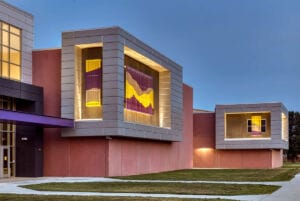
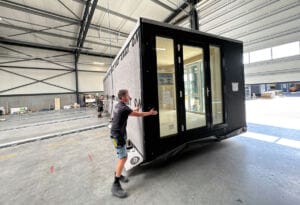
The permanent modular construction (PMC) process is used to create modules or building units that are delivered to a single/fixed location. The modules are 60% - 90% completed in a controlled plant environment and then efficiently delivered to site. As permanent structures, these buildings are treated like any other, subject to the same building codes as similar, traditionally-built structures. The biggest advantage is speed, as factory construction happens concurrently with site preparation.
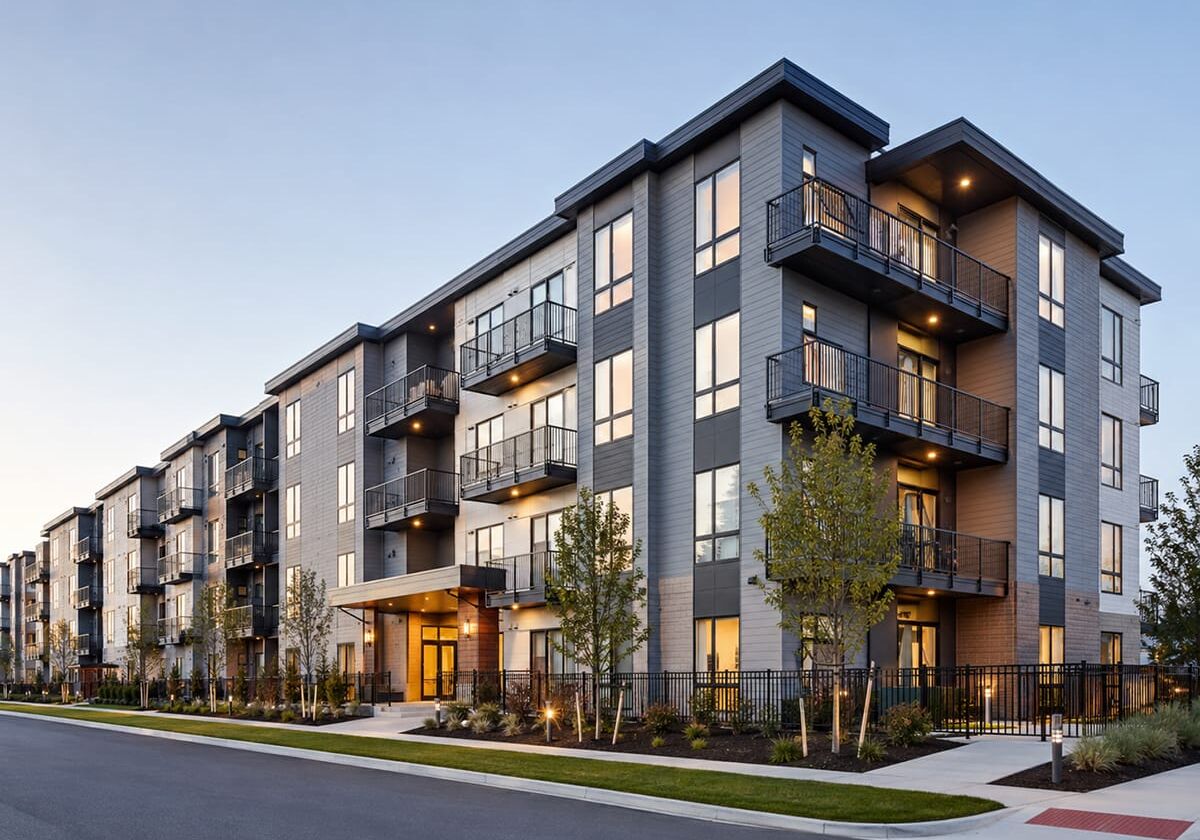
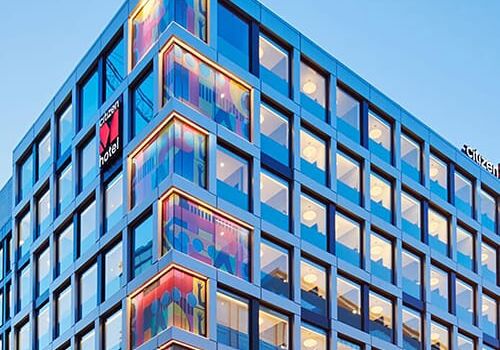
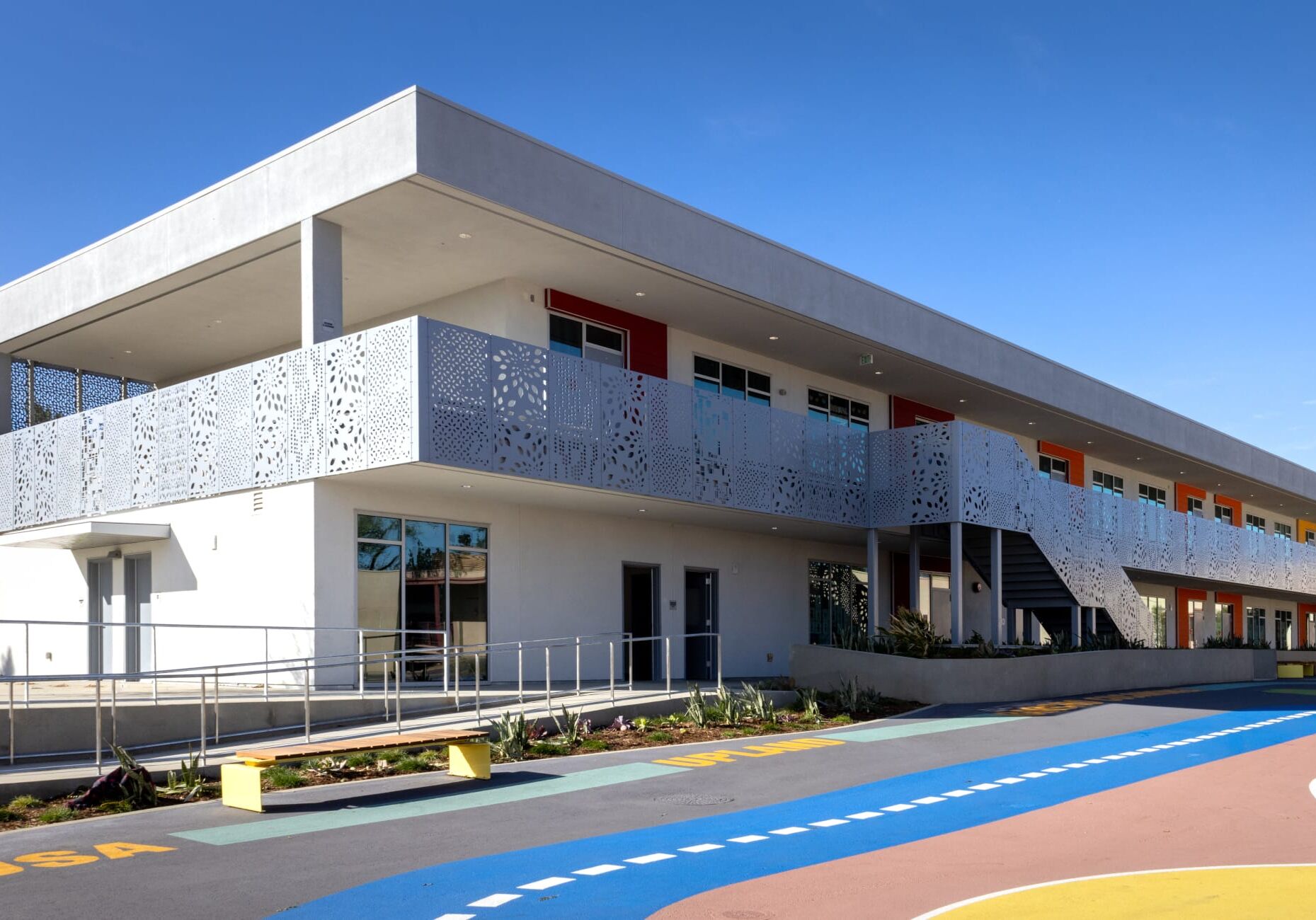
Examples of permanent modular construction include large hospitals, hotels, apartment complexes, and primary & secondary school buildings.
Relocatable (Portable) Buildings
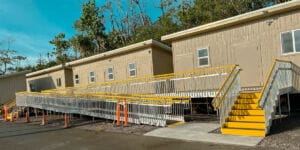
Relocatable buildings are often smaller, single- or double-unit self-contained structures that are built offsite. Built and stored in large quantities, these units are then delivered and relocated as needed to different locations. As opposed to permanent construction, relocatable buildings are often rented or leased by large fleet owners to end users, including general contractors, school divisions, and municipalities.
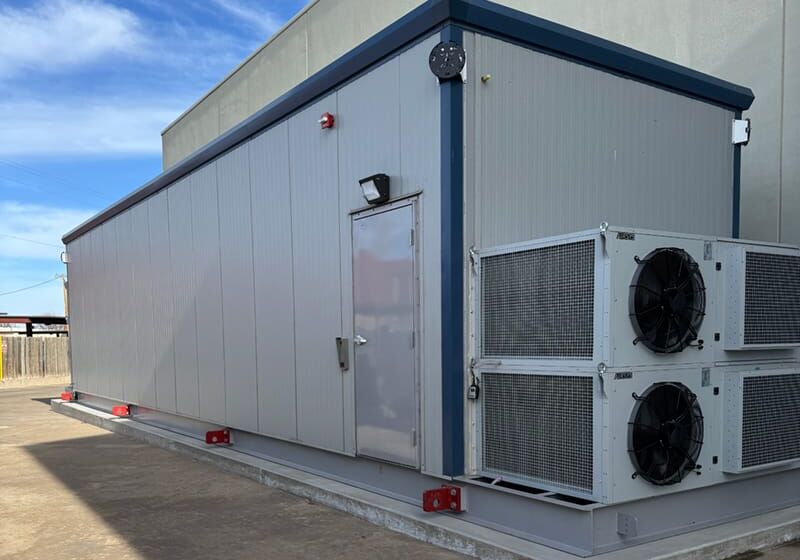
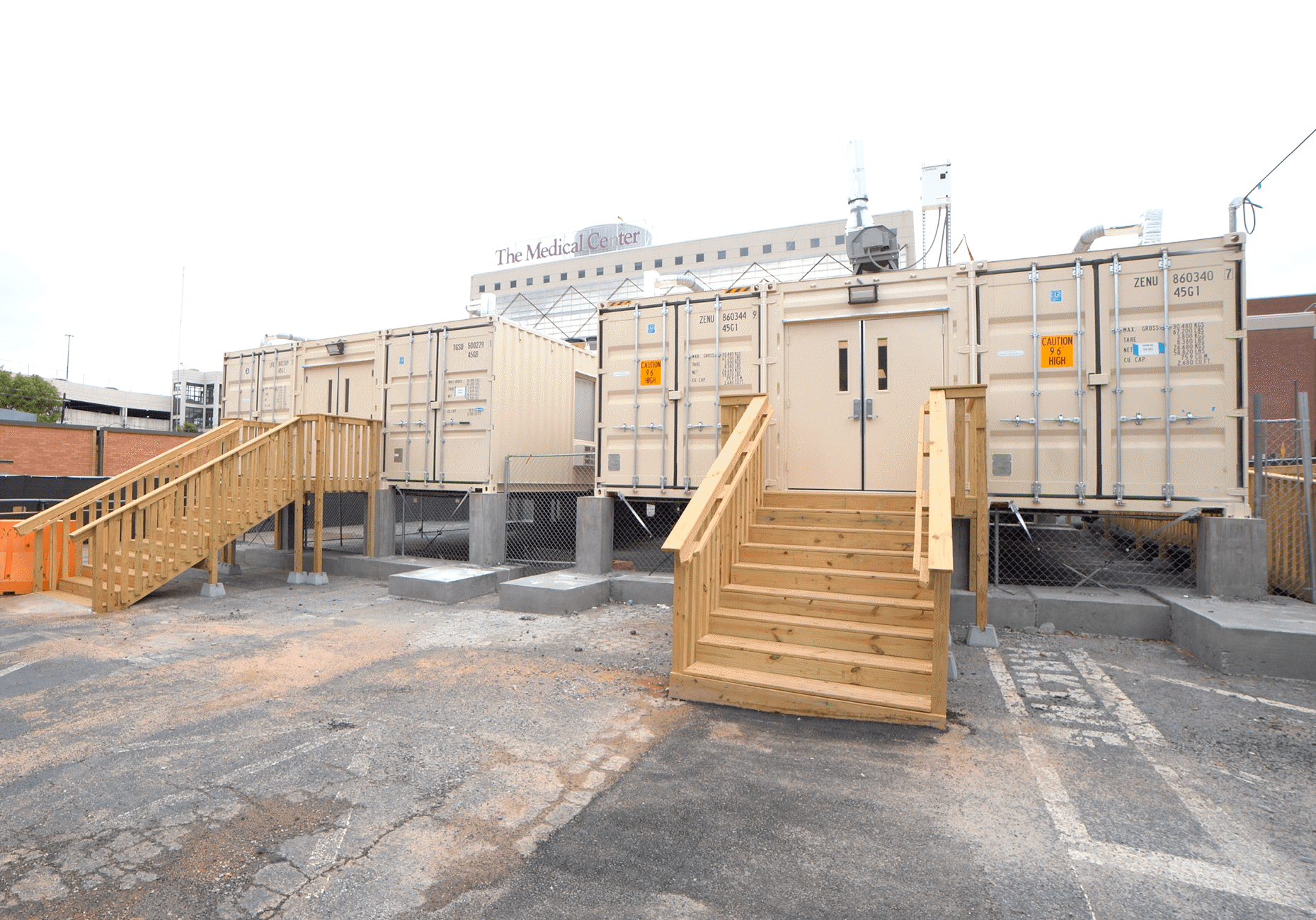
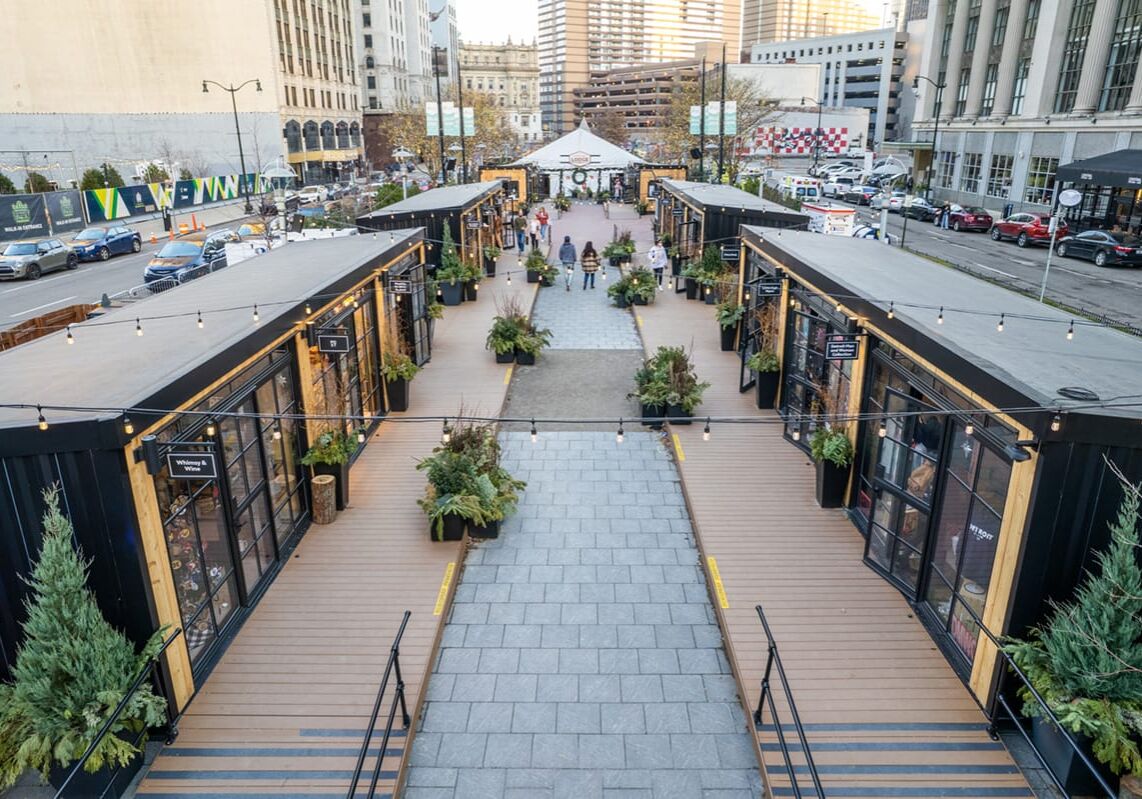
Common examples of relocatable buildings include temporary classrooms, construction site offices, structures for emergency housing/disaster relief, and pop-up retail stores.
Common Uses of Permanent & Relocatable Modular Construction
Click an image below to learn more about each specific modular building sector.
See the Latest Data from the Commercial Modular Construction Industry
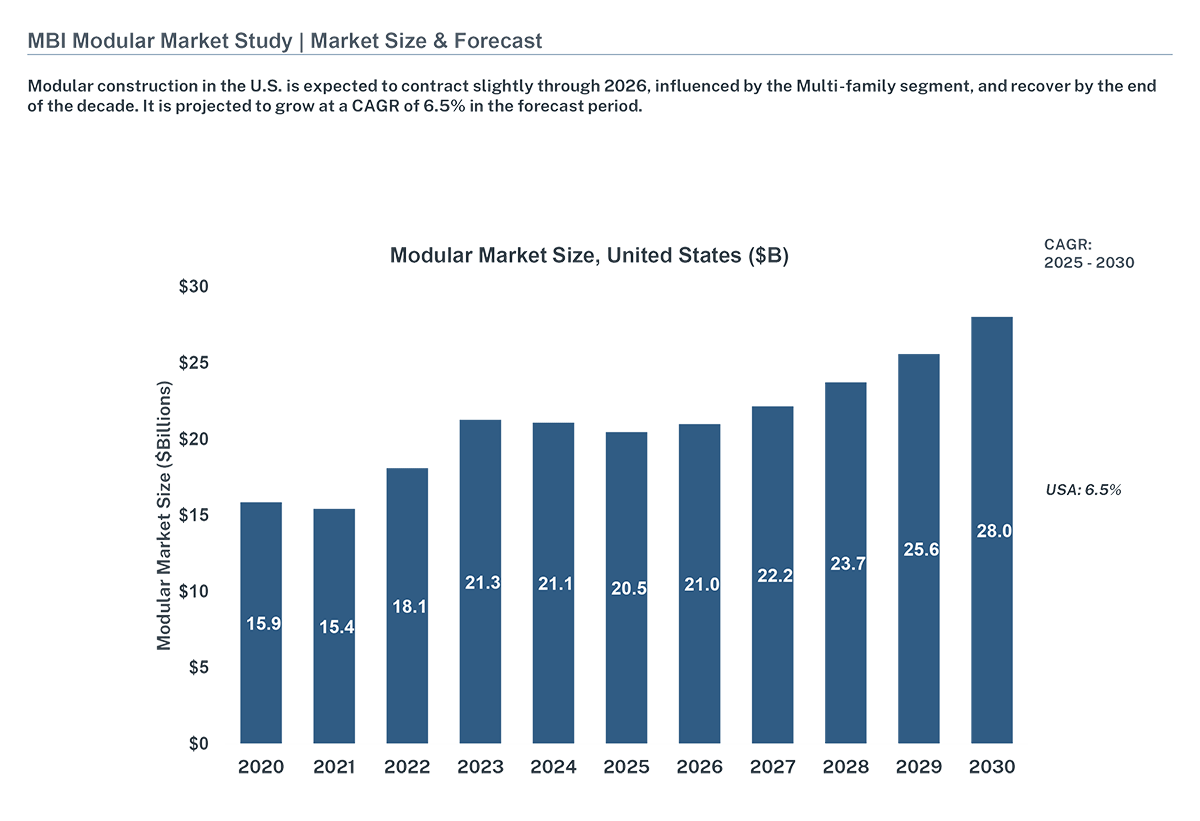
The Modular Building Institute (MBI) collects, analyzes, and publishes statistical data on the size, performance, and growth of the commercial modular construction industry. Widely recognized as a leading source of industry intelligence, MBI's annual industry reports are used by investment firms, financial institutions, media organizations, researchers, consultants, students, and other stakeholders around the world.
These reports, covering the permanent and relocatable building industries in the United States and Canada, detail a broad range of topics, including sector and region overviews, gross sales, dealer revenue, manufacturing activity, lease fleet composition, used-unit sales, industry estimates, and examples of contemporary modular buildings. Presented in a clear, concise, and data-driven format, they provide valuable insights into current industry conditions, trends, and opportunities.
Permanent & Relocatable Buildings for Disaster Relief
In times of crisis or natural disaster, the rapid production and deployment of permanent buildings and temporary structures, such as hospitals, housing, schools, and administration facilities, can play a critical role in helping those affected respond and recover. Such buildings can be produced and stored in large quantities; and some, like the hospitals that were created in the immediate wake of the COVID-19 pandemic, are custom-built in exceptionally short time frames.
Reconstrucción con viviendas modulares
Las viviendas modulares ofrecen una alternativa permanente a los refugios temporales reubicables. Este estudio de caso detalla cómo se construyeron y entregaron viviendas modulares en respuesta a los incendios forestales que asolaron Lahaina, Hawái, en 2023.
Additional Modular Building Case Studies

- 1
- 2
- 3
- ...
- 11
- Siguiente "